Insights
Brazil at World Cup 2026: Why the Selecao May Struggle to Soar
Brazil arrive at the 2026 FIFA World Cup surrounded by uncertainty. From tactical inconsistency to questions over personnel, the Selecao remain a team searching for identity. Even with the legendary Carlo Ancelotti on the bench, lifting the trophy in North America may prove beyond reach.
The North American Destiny
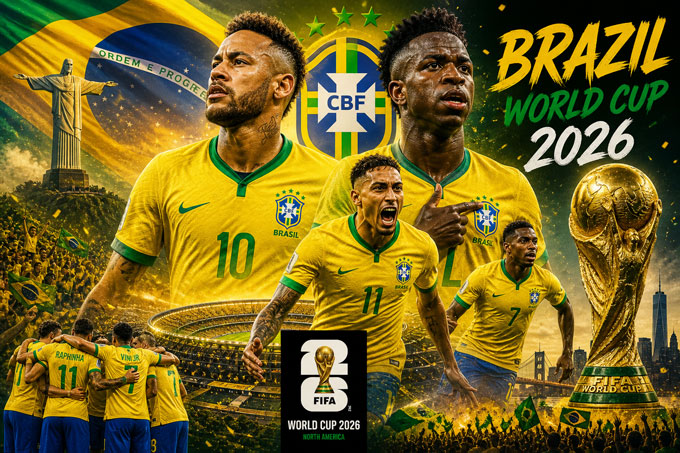
Brazil will enter FIFA World Cup 2026 with yet another historic milestone.
The Selecao are set to become the first national team ever to participate in 23 World Cups. More remarkably, they remain the only nation to have appeared in every edition of the tournament since its inception — a testament to a level of consistency and footballing stature unmatched anywhere in the world.
This year’s tournament also carries symbolic significance.
For the first time in history, the World Cup will be jointly hosted by three North American nations: the United States, Canada and Mexico. And for Brazilian supporters, the return to North America inevitably evokes memories of destiny and nostalgia.
Brazil are chasing a sixth World Cup crown, while also attempting to end a title drought stretching back to 2002 — the last time they conquered the world with the iconic generation led by Ronaldo Nazario, Ronaldinho and Rivaldo.
History offers an intriguing parallel.
After winning the World Cup in 1970, Brazil waited 24 years before lifting the trophy again at USA 1994. Now, exactly 24 years have passed since their triumph in 2002. For many fans, the timing feels almost poetic.
Whether coincidence or football superstition, the idea of a “North American destiny” has quietly become part of the narrative surrounding Brazil’s campaign.
Tradition Alone Will Not Be Enough
Despite the increasingly competitive nature of modern international football, Brazil remain automatic contenders at every World Cup.
No nation possesses a richer combination of historical prestige, attacking identity and endless talent production. Across generations, Brazil have consistently reinvented themselves.
Yet this current version of the Selecao feels far less convincing than many of its predecessors.
World Cup 2026 represents more than an opportunity to extend records or add another star above the crest. It is also a chance for Brazil to prove they can still dominate world football in the modern era — not just survive on reputation.
And that is where the uncertainty begins.
A Difficult Qualification Campaign Raised Concerns
Brazil’s qualifying campaign in South America exposed several underlying problems.
The CONMEBOL qualifiers, played in the traditional round-robin format among all 10 nations, proved far more turbulent than expected for a country of Brazil’s stature. After periods of instability and inconsistent performances, Brazil eventually finished fifth — enough to secure direct qualification, but far below the standards traditionally associated with the Selecao.
Rather than a dominant march toward the World Cup, qualification often resembled a team trying to rediscover itself in real time.
Still, reaching the tournament provides the foundation for a reset under a new era.
Carlo Ancelotti Faces the Biggest International Challenge of His Career
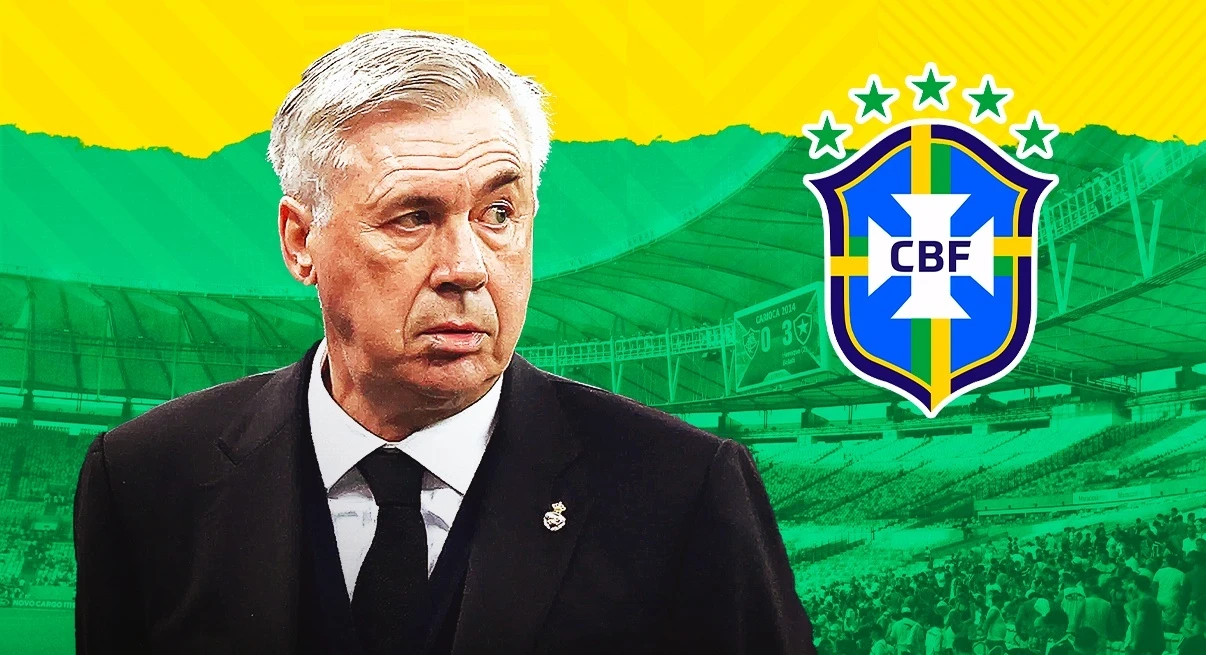
Carlo Ancelotti’s arrival instantly transformed the atmosphere around the national team.
After leaving Real Madrid at the end of the 2024/25 season, the Italian became the first foreign manager ever expected to lead Brazil at a World Cup. Few coaches in football history possess a résumé as decorated as “Don Carlo,” whose success at club level spans multiple leagues, Champions League triumphs and generations of elite players.
But international football presents an entirely different challenge.
Unlike club management, there is little time for tactical experimentation or long-term development. Cohesion must arrive quickly. Chemistry becomes critical. And for Brazil, those issues remain unresolved.
Ancelotti is widely respected for his calm leadership and ability to manage superstars. He also shares a strong relationship with Vinicius Jr. from their time together at Real Madrid — a connection Brazil desperately hope can unlock the forward’s best version on the international stage.
Still, even Ancelotti cannot instantly erase the structural problems within the squad.
Brazil currently lack the overwhelming aura that once terrified opponents before kickoff.
Vinicius Jr Carries the Weight of Expectation
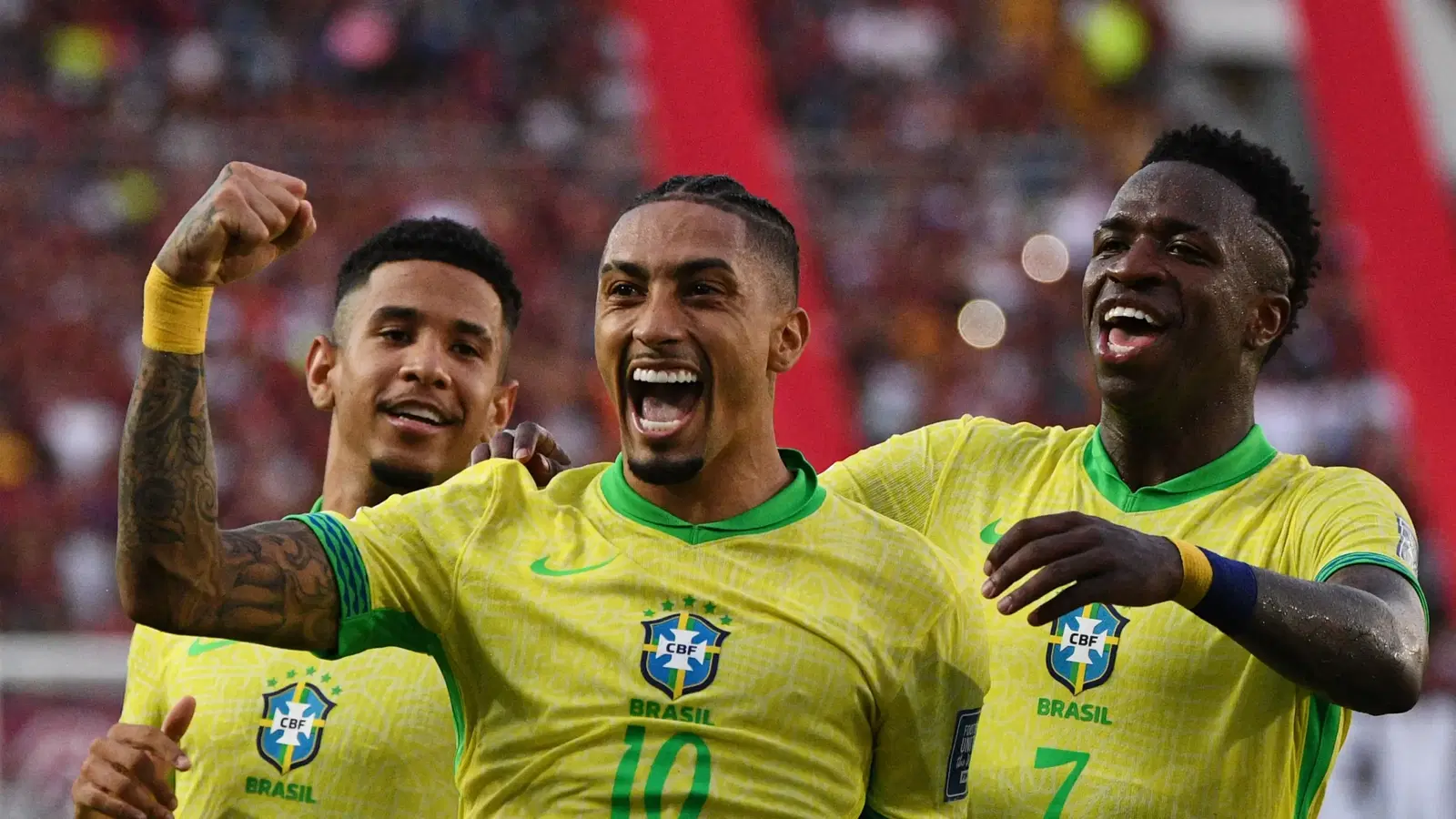
Vinicius Jr enters World Cup 2026 as Brazil’s most important attacking figure.
The winger contributed to five of Brazil’s seven goals at the 2022 World Cup, yet many supporters at home still believe he has not fully replicated his Real Madrid form for the national team.
Part of the issue lies in tactical context.
At club level, Vinicius operates within a highly structured system tailored to maximize his explosiveness in transition. Brazil, by contrast, have often looked fragmented in attack, leaving him isolated or forced into individual solutions.
If anyone can solve that problem, it may be Ancelotti.
The Italian coach understands exactly how to position Vinicius psychologically and tactically. And with Brazil lacking multiple world-class attacking stars in peak form, the burden on Vinicius becomes even heavier.
He is no longer simply a dangerous winger.
He is Brazil’s primary hope.
The Glory of the Past Still Looms Large
Brazil remain the most successful nation in World Cup history.
They have won the tournament five times — in 1958, 1962, 1970, 1994 and 2002 — and hold records for both total victories (76) and total points accumulated across 22 appearances.
But recent tournaments have brought repeated frustration.
At World Cup 2022, Brazil were eliminated in the quarter-finals by Croatia on penalties, continuing a pattern of falling short in decisive knockout moments. Since their last triumph in 2002, the Selecao have repeatedly entered tournaments among the favorites without ever truly dominating them.
That lingering inability to convert talent into titles remains the central concern surrounding this generation.
Why Brazil Feel Different This Time
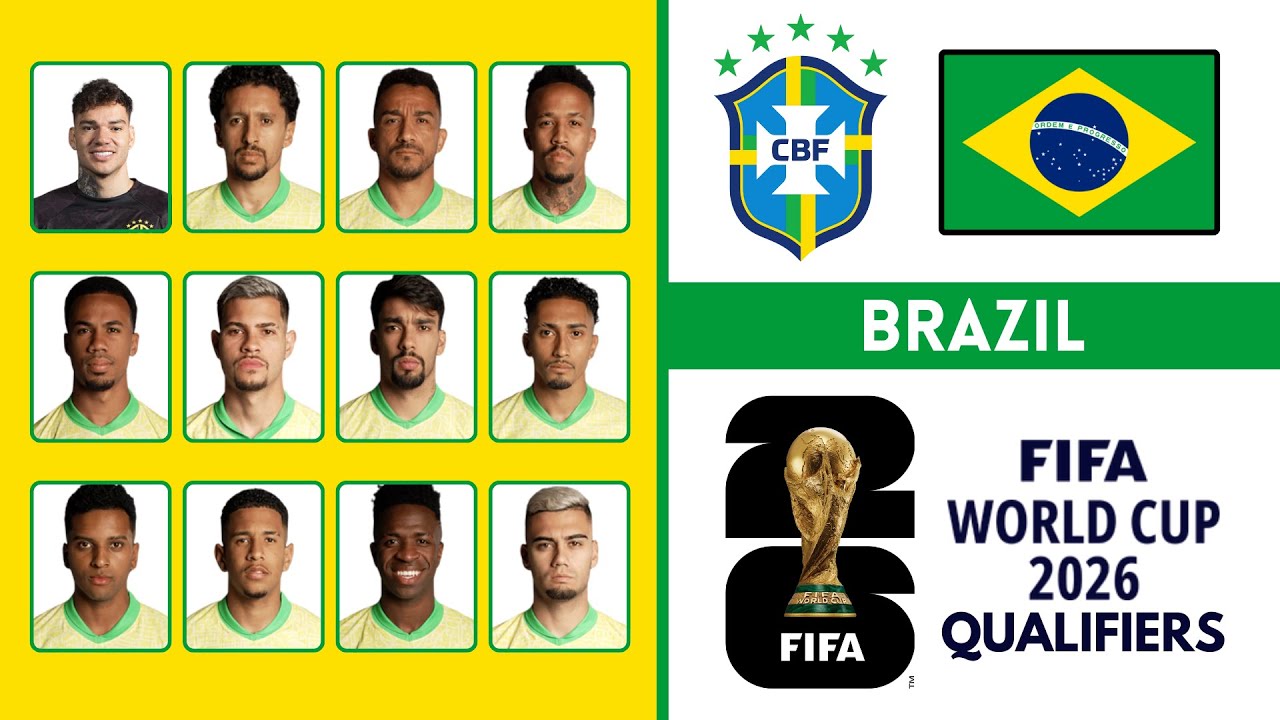
The issue with Brazil is not the lack of talent.
It is the lack of certainty.
Previous Brazilian teams often arrived at World Cups with a clearly defined identity — whether built around flair, physical dominance or tactical balance. This squad still feels unfinished. The midfield lacks consistent control, defensive transitions remain vulnerable, and the attacking chemistry fluctuates dramatically from match to match.
There are moments where Brazil still resemble football royalty.
But there are equally moments where they look surprisingly ordinary.
That inconsistency makes them dangerous, yet difficult to trust over the course of a long tournament.
Group Stage Schedule
- June 14, 2026 — Brazil vs Morocco
- June 20, 2026 — Brazil vs Haiti
- June 25, 2026 — Scotland vs Brazil
Head-to-Head Record
- vs Morocco: 2 wins, 0 draws, 1 loss
- vs Haiti: 3 wins, 0 draws, 0 losses
- vs Scotland: 8 wins, 2 draws, 0 losses
World Cup 2026 Outright Odds
- 8/1 to win the tournament
Brazil still possess enough talent to beat anyone on their day.
But winning a World Cup requires more than talent alone. It demands tactical clarity, emotional resilience and collective certainty — qualities the Selecao have yet to fully demonstrate heading into North America.
And that is why, despite the history, the mythology and the romance of destiny, Brazil may once again leave the World Cup wondering what could have been.