World Cup 2026
World Cup 2026 Group L Preview: England's Time Has Come, But Croatia Are Never Done
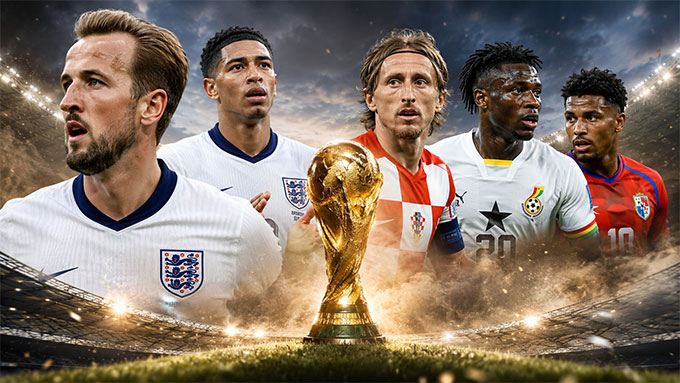
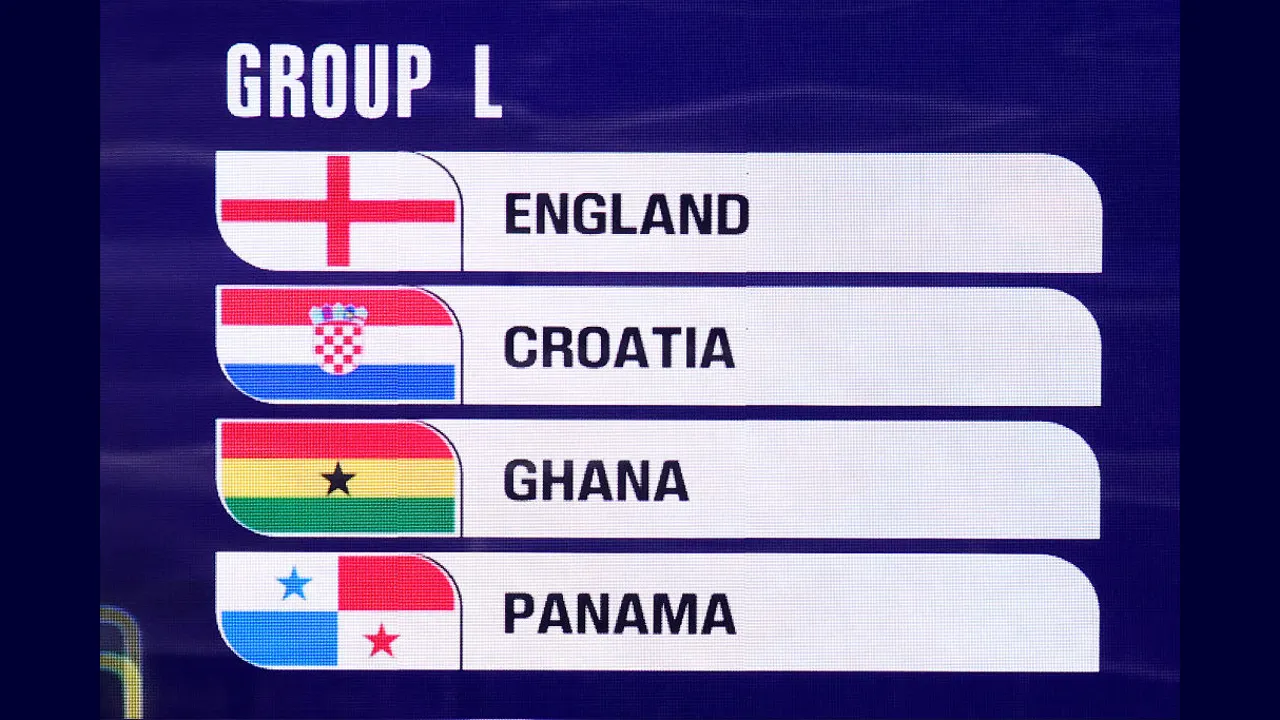
Group L at the 2026 FIFA World Cup is one of the most compelling groups of the tournament. England arrive as genuine title contenders under Thomas Tuchel, Croatia carry the indomitable World Cup DNA of Luka Modric's farewell, Ghana bring chaos and quality in equal measure, and Panama are the classic tournament spoilers no one wants to face. Here is TuringStats' in-depth analysis of every team's chances.
Group L at the 2026 FIFA World Cup: A Group That Demands Respect
Even before a single ball has been kicked at the 2026 FIFA World Cup, Group L has already generated enormous excitement and debate among football analysts, supporters, and pundits worldwide. It is a group that offers something for everyone: the heavyweight favorite in England, the indestructible tournament machine that is Croatia, the unpredictable wildcard of Ghana, and the organized nuisance that Panama have become at this level. All four teams bring a distinct identity, a clear set of strengths, and — crucially — a very real capacity to cause problems for the others.
The expanded 48-team format means that three teams from every group of four will advance to the knockout round. But make no mistake — in Group L, there is still something serious at stake. The difference between first place, second place, and a precarious third-place position could have major implications for the bracket and the road to the final. Here is TuringStats' comprehensive preview of all four teams in Group L.
England — Is This Finally the Year the Three Lions Roar?
Few nations carry the weight of expectation quite like England. Decades of near-misses, heartbreaking penalty shootout exits, and tournament disappointments have created a footballing culture that simultaneously soars with optimism before every major competition and braces for the inevitable gut punch. Yet the 2026 World Cup feels genuinely different — and not just because the fans say that every time.
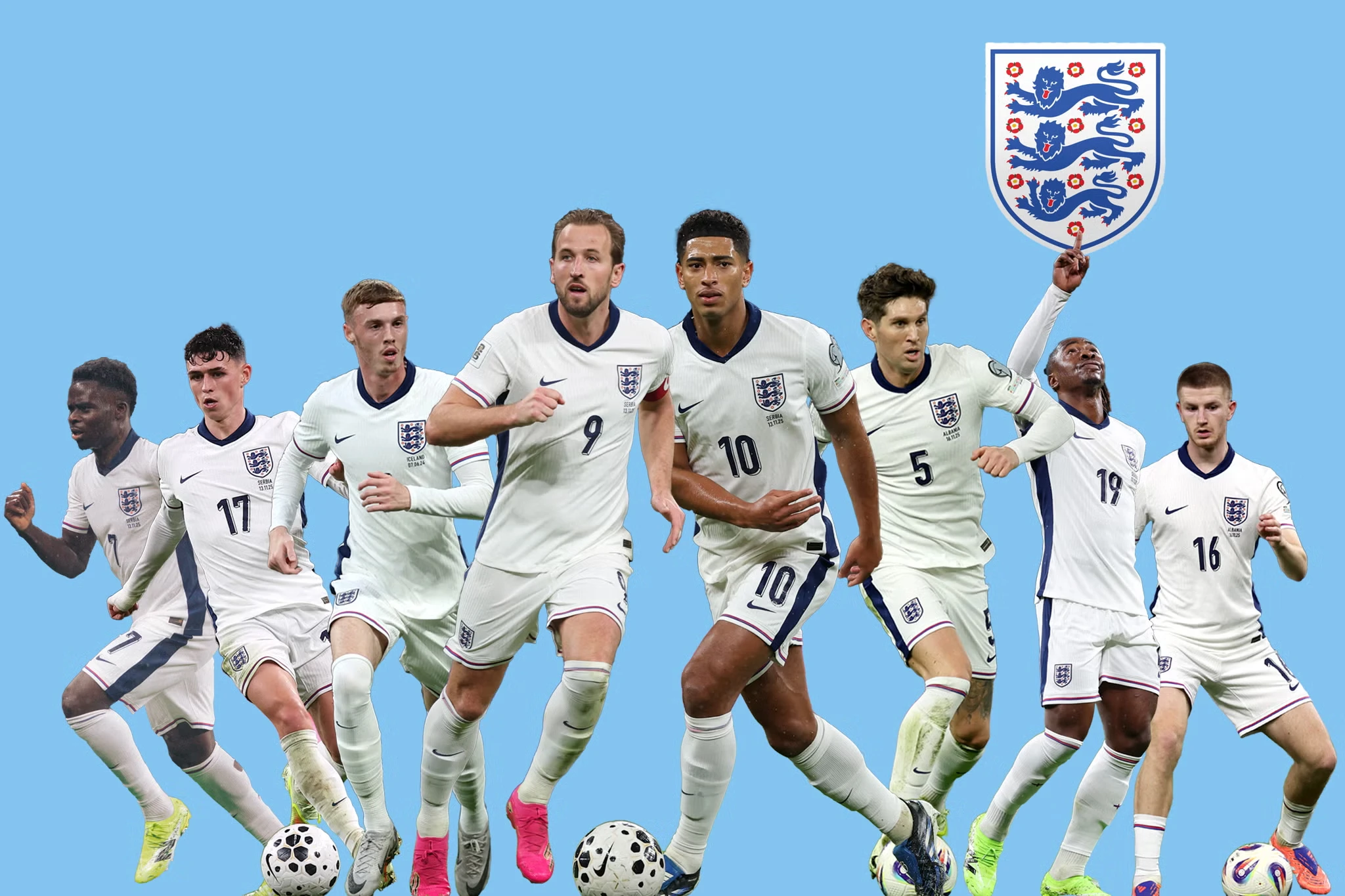
Under the stewardship of Thomas Tuchel — the cerebral German tactician who transformed Chelsea into European champions and later PSG into perennial French title challengers — England have undergone a philosophical reinvention. Gone is the era of hoping individual brilliance from a loose collection of stars will carry the team through. Tuchel has implemented a rigorous 4-2-3-1 system built on collective pressing, positional discipline, and clearly defined roles that has given England a tactical identity they have lacked for years.
The engine room of this England side is formidable. Declan Rice — arguably one of the two or three best holding midfielders in the world right now — anchors the base alongside Elliot Anderson, whose energy and box-to-box dynamism provides the tempo and transition quality that England have often been missing. Above them, Jude Bellingham operates as the conductor: a midfielder who can arrive late into attacking areas, link play between the lines, and deliver decisive contributions in the biggest moments. He is, by any measure, one of the most complete footballers at this tournament.
Up front, Harry Kane — England's all-time leading goalscorer — carries the responsibility of the number nine role. The Tottenham Hotspur legend has found form and consistency in the Bundesliga with Bayern Munich, and his ability to hold up play, bring others into the game, and finish in tight situations remains elite. On the flanks, Bukayo Saka's directness and creativity on the right provides one of England's most reliable sources of attacks, while Anthony Gordon's pace and power on the left gives Tuchel an explosive option in wide areas.
The one concern — as always with England — is themselves. A surprise defeat to Japan in March served as a timely warning that Tuchel's side can become pedestrian and predictable when their press is beaten and when Kane goes missing. England's reliance on their captain to unlock opposition defenses remains a structural vulnerability that clever defensive teams could attempt to exploit.
But in the context of Group L, the quality gap between England and their three opponents is considerable. Expect the Three Lions to navigate the group stage without serious incident, most likely as group winners, and with the psychological boost of entering the knockout rounds in strong form.
Qualification probability: 92%
Croatia — Luka Modric's Last Dance, and They Will Make It Count
There are certain football truths that transcend statistics, rankings, and form guides. One of them is this: you never, ever, underestimate Croatia at a World Cup. The Vatreni — the Blazers — have an almost supernatural ability to dig deep, absorb pressure, and find a way to survive in the most hostile tournament environments on earth. Their record since 1998 is astonishing for a nation of fewer than four million people: World Cup semi-finalists in 1998, finalists in 2018, third-place finishers in 2022. This is no accident.
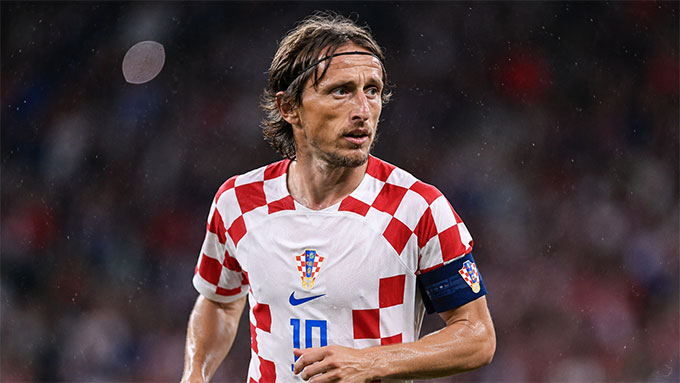
At the center of everything Croatia do is Luka Modric. The Real Madrid midfielder has been consistently rated among the world's very best players for over a decade. Now 40 years old and preparing to bow out of the international stage at what will certainly be his final World Cup, Modric carries with him both the weight of farewell and the burning desire to end on the highest possible note. His presence in midfield — even at this age — fundamentally changes how Croatia play: the rhythm, the control, the ability to manipulate opponents into making errors. When Modric has the ball, Croatia are a different team.
Around him, the supporting cast remains experienced and capable. Mateo Kovačić at Manchester City brings Champions League pedigree and an intensity in midfield duels. Andrej Kramarić leads the attacking line with the cunning, technical finishing of a seasoned European striker. Ivan Perišić, should he be fit, adds a powerful, technically accomplished option on the left flank. The defensive structure under Dalic is organized, difficult to play through, and fundamentally sound.
What Croatia lack compared to 2018 is raw energy and physical dominance. The squad has aged meaningfully, and there are games — particularly against England — where their legs may simply not be able to sustain the pressing intensity required at this level over 90 minutes. Their best chance of topping the group or even challenging England for first place lies in the opening fixture between the two nations, which has the potential to be the defining game of the entire group.
If Croatia can pull off a draw or a victory in that match, the entire dynamic of Group L changes. If they lose, they will almost certainly advance in second place but face a harder road through the bracket. Either way, writing off Croatia before they have been eliminated is a mistake the football world has made before — and paid for.
Qualification probability: 72%
Ghana — Chaos, Quality, and the Carlos Queiroz Wild Card
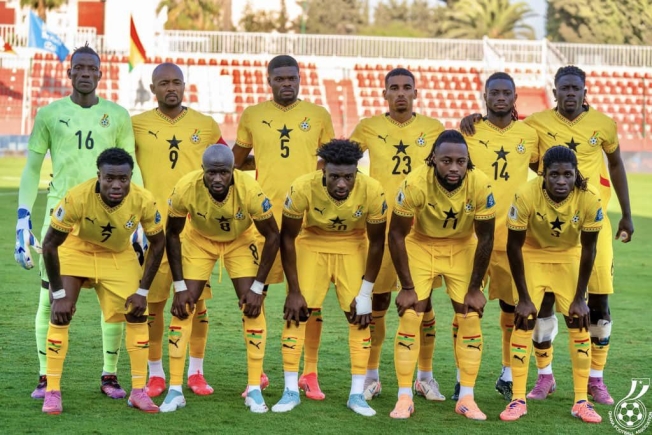
No team at the 2026 World Cup arrives in a more turbulent state than Ghana. The Black Stars' road to the tournament has been marked by upheaval: a stunning 1-5 thrashing by Austria, a 1-2 defeat to Germany in a pre-tournament friendly, and then — with the competition just days away — the abrupt sacking of head coach Otto Addo, who had guided them through qualification but could not survive the disastrous preparation period. Into the breach stepped Carlos Queiroz, the veteran Portuguese tactician who has managed Iran, Colombia, Egypt, and South Korea at World Cups, bringing firepower but precious little time to implement anything coherent.
And yet — Ghana are not to be dismissed. Because beneath the organizational chaos lies genuine, explosive individual talent. Mohammed Kudus, the Ajax and West Ham forward who has been one of the most electrifying players in the Premier League, is Ghana's most dangerous weapon if he can overcome the fitness concerns that have clouded his World Cup preparations. When Kudus is operating at full capacity, he is capable of single-handedly dismantling structured defenses with his dribbling, creativity, and eye for goal.
Alongside Kudus, Antoine Semenyo has emerged as one of the most exciting young forwards in English football. His pace, directness, and physical presence make him a genuine threat in transition, and his ability to run in behind deep defensive lines is exactly the kind of quality that could trouble an England backline if they are complacent. Ghana's attack, when firing, has the capacity to produce moments of genuine brilliance.
The problem is coherence. Without a settled defensive structure, without a clear tactical identity, and without the time needed for Queiroz to impose his footballing philosophy, Ghana could easily alternate between breathtaking 30-minute spells and alarming defensive collapses. This volatility makes them simultaneously one of the most dangerous and most unpredictable teams in the group.
Their realistic ambition is a third-place finish that sees them through to the knockout round in the expanded format. But they will need to at minimum claim a victory against Panama, and ideally something positive against either England or Croatia, to make that a reality.
Qualification probability: 28%
Panama — The Spoilers Nobody Wants to Meet
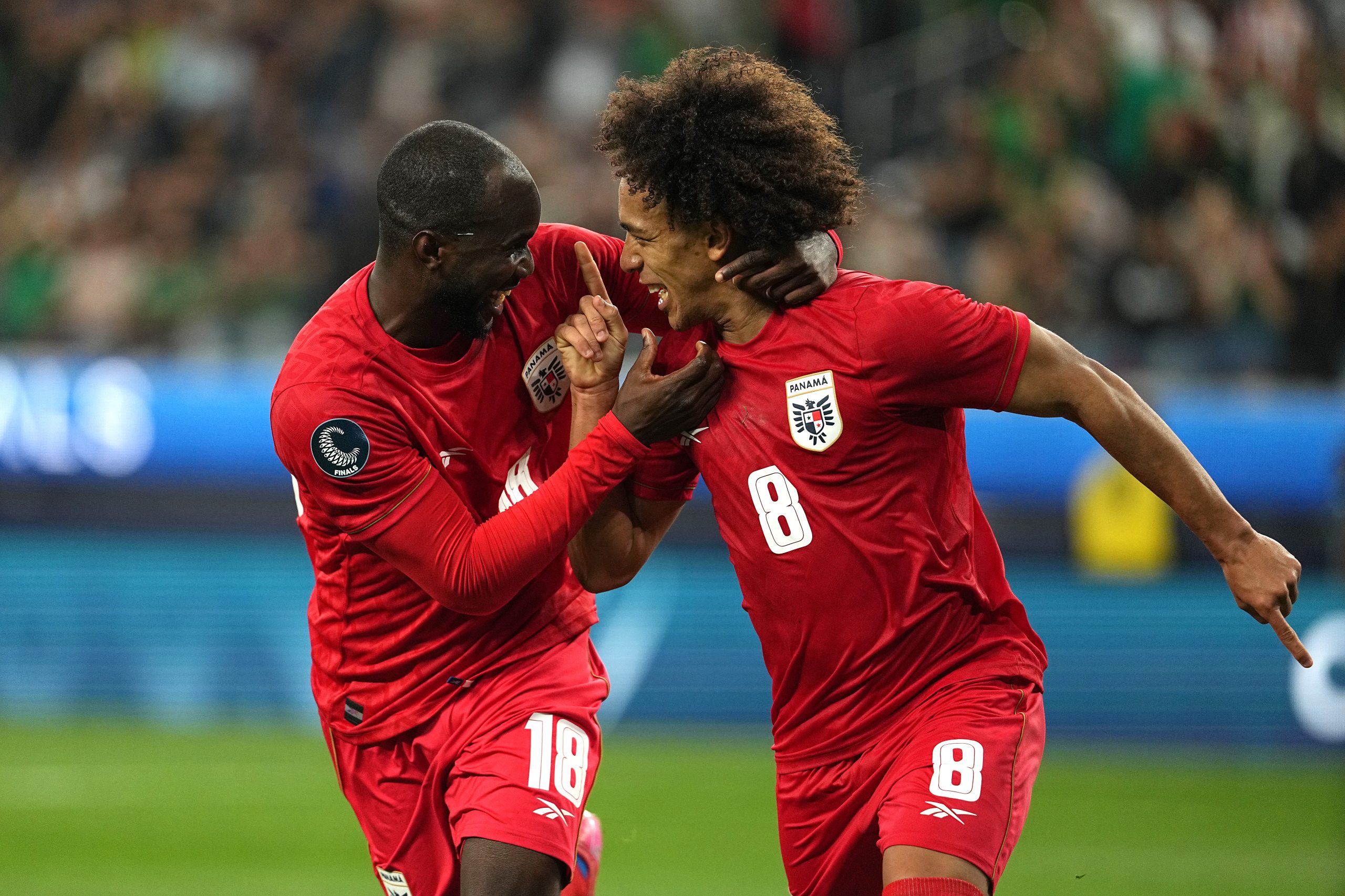
Panama may be the shortest of short-odds in terms of outright World Cup glory, but they have built a formidable reputation as exactly the kind of team that makes life miserable for anyone who faces them. The Canaleros do not play pretty football. They do not have household names. What they have is structure, discipline, physicality, and a set-piece threat that punches well above their perceived weight.
Under their coaching setup, Panama operate in a compact mid-block that is difficult to break down, particularly for teams that prefer patient, possession-based build-up. They sit narrow, funnel play wide, and hit quickly on the counter with genuine directness. Amir Murillo, the right-back who plies his trade in European football, provides an outlet on the right side and has the technical quality to create problems in transition. Adalberto Carrasquilla in midfield brings the creative intelligence that Panama need to translate defensive resilience into offensive opportunities.
Panama's specific danger lies in their dead-ball delivery. They are one of the most threatening set-piece teams in CONCACAF — a region where physicality and direct play are prized. In a group that includes England (who have historically been vulnerable to set pieces in high-pressure scenarios), Panama's ability to score from corners and free-kicks should not be underestimated.
Their realistic goal heading into the group stage is straightforward: defeat Ghana in their opening fixture. If Panama can claim three points in that match, they give themselves a platform from which anything is possible. They are unlikely to progress from the group, but in the right game state against England or Croatia, they have the capacity to cause real difficulties. Think of Panama as the group's pressure test — the team that will reveal which of the top sides have their tournament composure intact.
Qualification probability: 8%
The Key Fixture: England vs. Croatia — A Story With History
The opening-game clash between England and Croatia deserves its own chapter. The history between these two nations at major tournaments is rich with drama: Croatia's 2-1 extra-time victory over England at the 2018 World Cup semi-final is among the most painful nights in recent English football history, eliminating Gareth Southgate's promising side before they could reach a final. The two nations met again at Euro 2020, where England won 1-0 in the group stage.
In 2026, this fixture takes on additional significance as the likely decider for first place in Group L. England will be expected to win, but Croatia's experience in exactly these high-stakes group-stage fixtures is not to be taken lightly. A Modric-inspired performance dragging a draw or better from England would immediately rewrite the group's narrative and put England's psychological fortitude under scrutiny once again.
The Ghana vs. Panama fixture is equally significant at the other end of the table. Whichever team wins this match gains an immediate advantage in the three-way competition for the third qualification spot — and in the expanded World Cup format, that final spot carries real weight.
TuringStats Group L Predicted Final Standings
Based on squad depth, tactical profile, recent form, and historical tournament performance, our Group L prediction is as follows:
1. England — The class of the group. Tuchel's tactical organization, combined with the individual quality of Kane, Bellingham, and Saka, makes England the overwhelming favorite to win Group L and set up a favorable knockout-round path.
2. Croatia — The old guard refuses to go quietly. Modric's presence alone justifies their second-place projection. They have the experience and the nerve to navigate the group, even if their legs are not quite what they were in 2018.
3. Ghana — Chaotic, volatile, but undeniably talented. If Kudus is fit and Queiroz can implement even basic structural discipline in time, Ghana have the attacking weapons to edge out Panama for the third place spot and progress in the expanded format.
4. Panama — The team most likely to frustrate fans of attractive football and most likely to ruin someone's day if given the right moment. But the talent gap against England and Croatia is too great, and Ghana's individual quality should ultimately prove decisive in the battle for survival.
Outright World Cup Odds for Group L Teams
For those interested in the wider tournament markets, the implied odds heading into the 2026 World Cup reflect the clear hierarchy within Group L. England are priced as genuine title contenders, a reflection of both their squad quality and the weight of optimism surrounding Tuchel's system. Croatia are very much fringe contenders — capable of a deep run in the right bracket, but unlikely to go all the way with their current squad age profile. Ghana and Panama are long shots for the tournament itself, though both can influence how other contenders navigate their sections of the draw.
Group L, in summary, is a microcosm of what makes the World Cup so compelling: a dominant favorite with historic baggage, a legendary veteran making his final bow, a country in organizational freefall with stars capable of brilliance, and a pragmatic underdog with nothing to lose. Whichever way the games fall, this group will not be forgotten.