World Cup 2026
World Cup 2026 Group K Preview: Portugal and the Rest — Who Joins Ronaldo's Side?
Group K at the 2026 FIFA World Cup is widely regarded as the most favorable draw any top-tier nation could have hoped for. Portugal arrive with a squad deep enough to win the whole tournament, and their passage to the knockout stage is near-certain. The real story of this group is the three-way battle between Colombia, DR Congo, and Uzbekistan for that crucial second spot. Here is TuringStats' full breakdown.
Group K at the 2026 FIFA World Cup: Portugal's Stage, But the Battle Behind Them Is Fierce
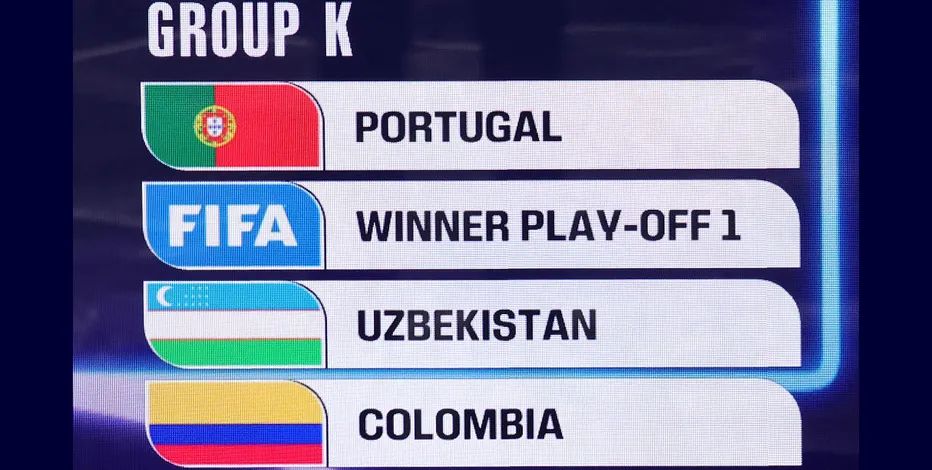
When the draw for the 2026 FIFA World Cup was conducted, Group K generated an immediate and clear-cut reaction from football observers around the world: Portugal had been handed the most comfortable path to the knockout rounds of any elite contender in the tournament. Paired with DR Congo, Uzbekistan, and Colombia — three nations with varying degrees of World Cup pedigree — Roberto Martínez's side face a group that, on paper, poses no existential threat to their progression.
But football is rarely played on paper. And while Portugal's first-place finish in Group K is about as close to a certainty as this sport allows, the battle for second place is a genuinely fascinating contest between three very different footballing nations. Colombia bring South American quality and Copa América credibility. DR Congo arrive carrying the electricity of a historic return. Uzbekistan write the latest chapter in Central Asia's football development story. Here is TuringStats' comprehensive preview of every team in Group K.
Portugal — Ronaldo's Final World Cup, and a Team Ready to Win It
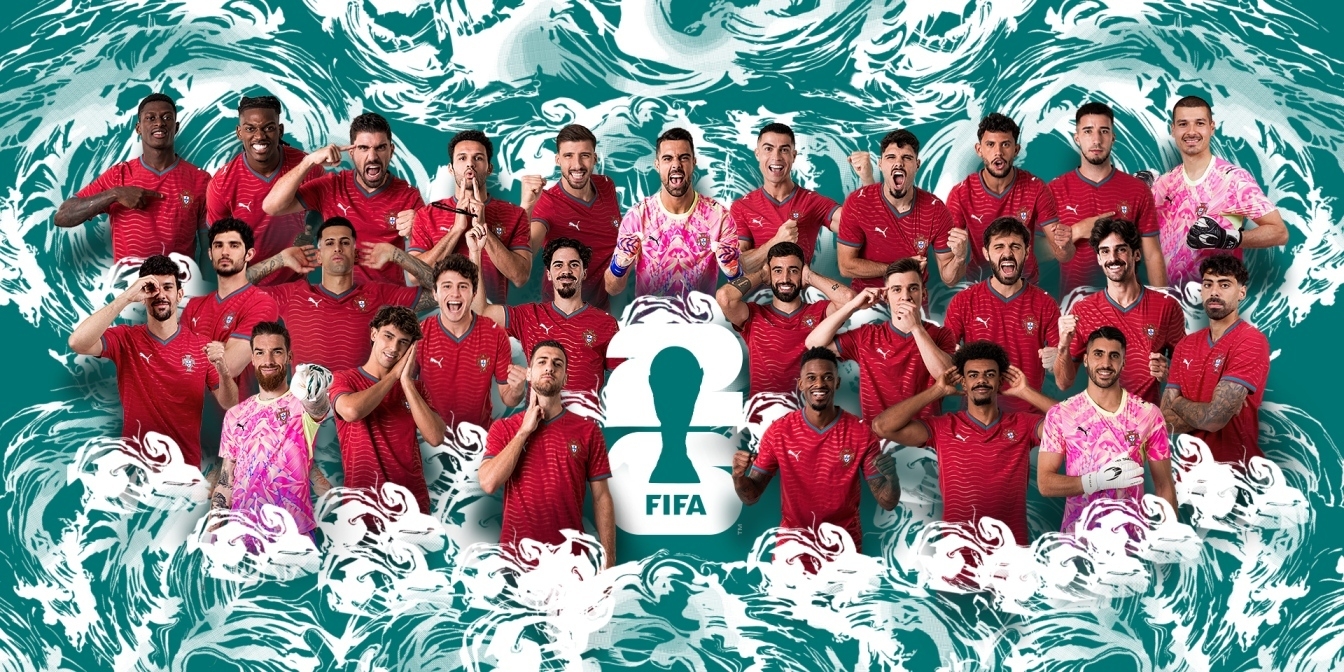
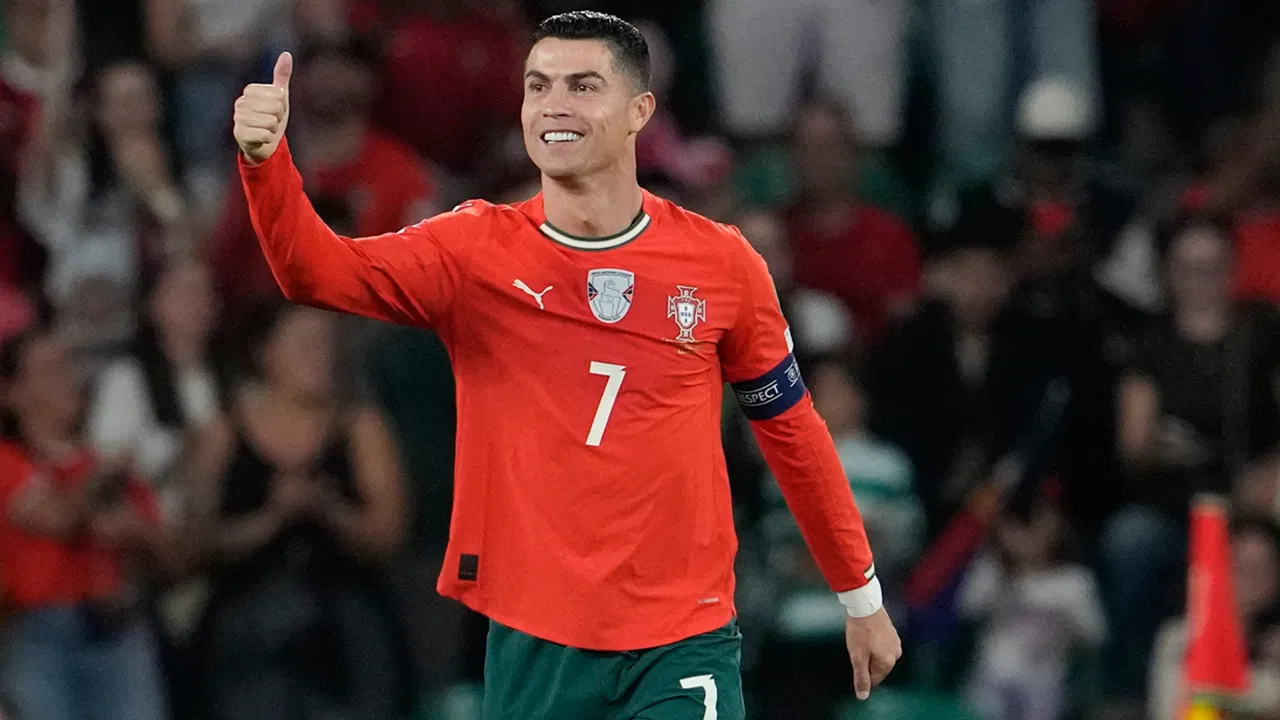
There is something almost cinematic about Cristiano Ronaldo's position heading into the 2026 FIFA World Cup. At 41 years of age — an age at which most footballers have long since hung up their boots — Ronaldo will take to the field in North America as arguably the most recognizable athlete on the planet, chasing the one major prize that has so far eluded him: the FIFA World Cup. The narrative writes itself. And this Portugal squad, under the astute management of Roberto Martínez, may well be the best-equipped team to finally make that dream a reality.
What makes this Portugal generation so compelling is the transformation in how the team actually functions. For years — perhaps understandably, given the magnitude of his star power — Portugal were perceived as a Ronaldo-dependent side, a collective that rose and fell based on whether their captain was delivering his extraordinary individual best. That dynamic has fundamentally shifted. The 2026 vintage of Portugal is a mature, tactically sophisticated team with strength, depth, and quality distributed across every position.
The midfield is, by any measure, one of the finest in international football. Bruno Fernandes captains the side with urgency, creativity, and a relentless intensity that sets the tempo for everything Portugal do in possession. Bernardo Silva — arguably one of the best footballers of his generation regardless of nationality — brings elegance, technical mastery, and an intelligence in tight spaces that makes him virtually impossible to dispossess. Vitinha, the Paris Saint-Germain dynamo, controls the base of midfield with composure beyond his years. João Neves, still just a teenager but already drawing comparisons to the great Portuguese midfielders of previous generations, provides an added layer of energy and pressing intensity.
Further forward, Rafael Leão's pace and direct dribbling on the left provides a constant threat in behind defensive lines. Nuno Mendes is one of the best attacking left-backs in world football. And somewhere in amongst all this talent, Ronaldo — operating now as a penalty-box finisher and iconic presence rather than an all-action number nine — contributes the goals, the moments of magic, and the psychological weight that no opposition can fully prepare for.
In Group K, Portugal face no opponent capable of matching them across the pitch. Their greatest challenge may simply be maintaining focus and avoiding complacency — particularly against Colombia, who are entirely capable of punishing a distracted Portugal on the counter. Expect Martínez to rotate carefully, managing minutes and keeping key players fresh for the knockout rounds where the real test begins.
The market implies Portugal will qualify from this group at near-certainty odds of 1.02 — essentially a guaranteed passage. The real question is not whether they progress, but how sharp and focused they arrive at the business end of the tournament.
Qualification probability: 99%
Colombia — South American Sophistication With a Self-Destructive Streak
Colombia are one of the most stylistically distinctive national teams in world football. Technically gifted, tactically nuanced, and capable of producing moments of brilliance that can unsettle any opponent, Los Cafeteros have built their identity around pace, technical precision, and a pressing game that at its best resembles some of the finest club football played in South America. Their Copa América 2024 final appearance — a run that included memorable victories over formidable opponents — provided further evidence that this generation is ready to compete at the very highest level.
The quality running through Colombia's squad is genuinely impressive. The attacking options in particular are among the most dynamic on the continent: direct, fast, and unpredictable. Their players carry genuine European pedigree through regular exposure at elite club level, and the coaching setup has done a commendable job of converting individual talent into a collective system that functions with coherence and purpose.
The market has Colombia at qualification odds of 1.14 — a reflection of genuine confidence that they will secure second place in Group K ahead of DR Congo and Uzbekistan. And that confidence is well-founded on most days. When Colombia are running with confidence, when their press is functioning, and when the transition game is clicking, they are a genuinely formidable proposition for anyone in the world.
The concern — and it is a persistent, structural one — is Colombia's alarming tendency to drop points in fixtures they are expected to win comfortably. This is a team that has historically found ways to lose to opponents they should be beating, only to then turn around and produce extraordinary performances against the tournament's elite. It is a paradox that has frustrated Colombian fans for decades, and it represents the primary risk to their second-place ambitions in Group K.
The fixture against DR Congo in particular carries latent danger. If Colombia approach that game without the requisite focus and intensity, they could find themselves in a very uncomfortable position. Similarly, Uzbekistan — often underestimated — are not without the organization to cause problems for a Colombian side that loses its defensive shape when things go wrong.
Despite these caveats, Colombia's individual quality should ultimately prove decisive. A second-place finish in Group K is their most likely outcome, and with it, the opportunity to make a serious run in the knockout stages of a World Cup they genuinely have the talent to win.
Qualification probability: 72%
DR Congo — History, Power, and the African Dream
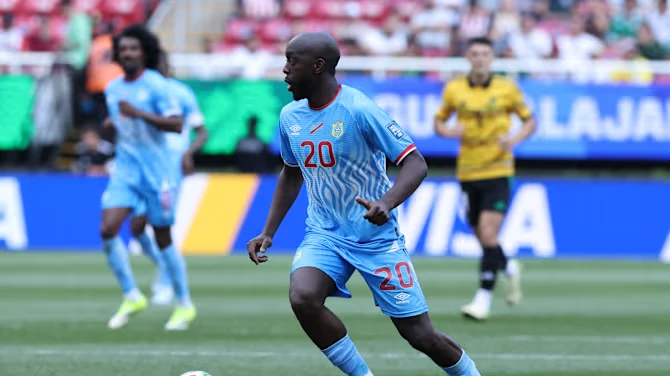
The Democratic Republic of Congo's presence at the 2026 FIFA World Cup is, in itself, a remarkable story. The nation — formerly known as Zaire, under which name they made their only previous World Cup appearance in 1974 — has returned to the world stage after a 52-year absence, carrying the hopes, dreams, and passion of over 100 million people. That historical context gives DR Congo an emotional energy heading into this tournament that is difficult to quantify but impossible to dismiss.
Nor is this a team content simply to be present and make up the numbers. The market prices DR Congo's qualification chances at 1.80 — a figure that reflects genuine belief that Sébastien Desabre's side can compete meaningfully with Colombia for the second place spot and potentially spring one of the tournament's more dramatic surprises.
The foundation of DR Congo's appeal as a footballing proposition lies in their physical and transitional qualities. This is an athletic, powerful, and explosively fast team that excels at speed of transition — absorbing defensive pressure and converting possession losses into rapid, direct counter-attacking sequences. When they win the ball in their own half and have space to run into, they are genuinely dangerous. Players in the squad earn their livings across European football, particularly in the Belgian and French leagues, and that regular exposure to high-tempo, physical European competition has sharpened their collective edge considerably.
Against possession-heavy teams like Portugal — and to a lesser extent Colombia — DR Congo's transition game could create uncomfortable moments if their defensive block holds for long enough. They are not a team that will simply sit back and hope for the best; they have genuine attacking ambitions and the personnel to execute them.
The challenge DR Congo face is sustaining their intensity and collective organization across three high-pressure group games. At the African Nations Championship and AFCON level, they have demonstrated the ability to compete over 90 minutes against strong opposition. Whether they can replicate that across a 10-day window at a World Cup — against different opponents with different tactical profiles — is the key question.
A second-place finish in Group K is achievable for DR Congo if Colombia stumble. And even if they ultimately finish third, the expanded format offers them a potential lifeline into the knockout stages.
Qualification probability: 42%
Uzbekistan — Central Asia's Pioneering World Cup Moment
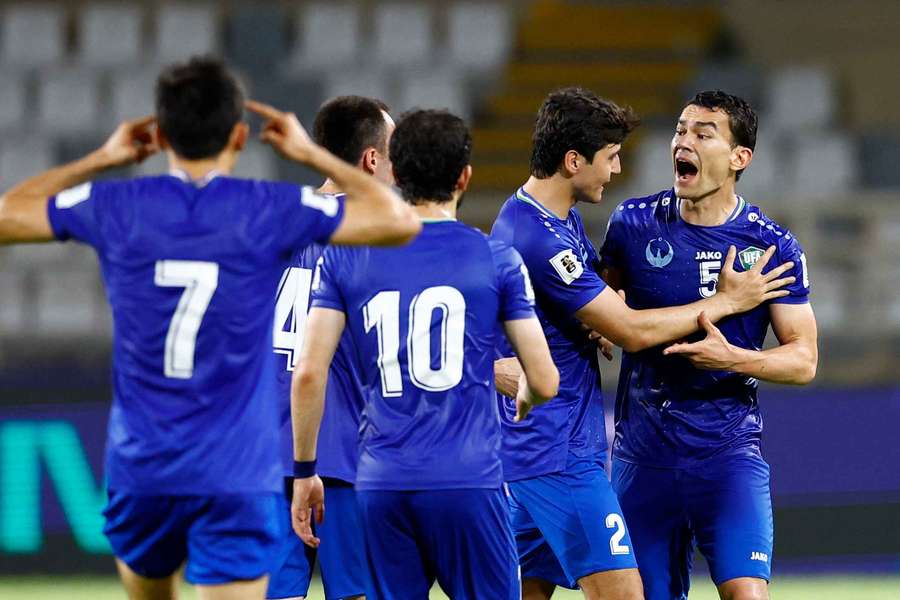
Uzbekistan's qualification for the 2026 FIFA World Cup is one of the most significant achievements in the history of Central Asian football. A nation that has long operated in the shadow of the continent's established powers — Japan, South Korea, Australia, Iran — the White Wolves navigated the Asian qualification rounds with a combination of tactical discipline, collective organization, and a genuine improvement in technical quality that reflects the rapid development of football infrastructure in the region over the past decade.
This is not the stereotypical "first-time qualifier just happy to be here" narrative that sometimes accompanies nations making their World Cup debut. Uzbekistan under their coaching staff play a recognizable, structured game. They are compact defensively, difficult to break down, and dangerous in transition when they win the ball back high up the pitch. Several of their key players compete in the Russian Premier League and other European competitions, giving the squad a technical baseline that is meaningfully higher than their FIFA ranking might suggest.
In fact, a comment from a reader on the original Vietnamese analysis of this group is telling: "They matched or even looked superior to established Asian powers like Japan, South Korea, and Australia." That is not hyperbole — Uzbekistan have genuinely pushed the boundaries of what Central Asian football is capable of producing at competitive international level.
The qualification odds of 3.20 — the lowest in the group — reflect the honest reality that the talent gap between Uzbekistan and both Portugal and Colombia is significant. At the senior World Cup level, the psychological demands and quality of opposition represent an entirely different challenge to anything Uzbekistan have previously encountered. One moment of inexperience at a key juncture, one set-piece conceded, one counter-attack not tracked — these are the marginal differences that separate first-time World Cup participants from experienced campaigners at this level.
Uzbekistan's most realistic ambition is to compete with DR Congo for the third-place position and potentially advance as one of the best third-placed teams in the expanded 48-team format. Any points taken from Colombia would represent a significant overperformance and cause for celebration. A positive result against DR Congo in what is effectively a direct contest for Group K survival is the result Uzbekistan will be targeting above all others.
Qualification probability: 18%
The Real Drama: Colombia vs. DR Congo — The Battle for Second Place
While Portugal's group-stage journey carries the narrative weight of Ronaldo's farewell and an elite team managing its resources for a deep tournament run, the genuine footballing drama in Group K will play out in the contest for second place between Colombia and DR Congo — with Uzbekistan hovering as the potential spoiler.
The head-to-head fixture between Colombia and DR Congo is one of the most intriguing matchups in the entire 2026 World Cup group stage. Colombia will come into the game as favorites based on squad quality and tournament experience, but DR Congo's athletic profile and transitional speed creates genuine tactical problems for Los Cafeteros that are not easily solved through technical superiority alone. If Colombia allows DR Congo space to counter, this fixture could become genuinely uncomfortable.
Meanwhile, the fixture between Colombia and Uzbekistan — which on paper looks like a comfortable Colombian victory — carries the latent threat of an upset. Uzbekistan's disciplined defensive shape and their ability to frustrate technically superior opponents through organization and work rate make them a banana-skin fixture for any team that lacks the required intensity or focus.
TuringStats Group K Predicted Final Standings
Based on our analysis of squad quality, tactical identity, market confidence, and historical performance at major tournaments, here is how we project Group K to finish:
1. Portugal — Near-certain group winners. Roberto Martínez will use the group stage to manage fitness and rotation while keeping the squad sharp. Expect maximum points against Uzbekistan and DR Congo, with careful preparation for the Colombia fixture regardless of its mathematical significance.
2. Colombia — Their talent, Copa América pedigree, and technical quality should be enough to secure second place, provided they approach every game with the intensity their potential demands. Inconsistency is the only genuine threat to this projection.
3. DR Congo — A historic return to the World Cup stage, backed by genuine athletic quality and the burning motivation of a 52-year absence. A third-place finish in the expanded format could still see them advance, and they have the tools to take points off Colombia if the game state favors their counter-attacking style.
4. Uzbekistan — Brave, organized, and technically improved beyond their reputation, but the quality gap at this level is ultimately too significant. Their World Cup debut is cause for celebration across Central Asia regardless of results, and the experience gained here will be invaluable for future generations.
Closing Thoughts: Portugal's Tournament Begins After the Group Stage
Group K is, in many respects, a prologue. For Portugal, these three group games serve as preparation for the knockout rounds where their World Cup ambitions will be truly tested. For Colombia, DR Congo, and Uzbekistan, they represent an opportunity — of varying degrees of plausibility — to enter the knockout stage of the world's greatest football tournament and announce themselves on the grandest possible stage.
What Group K guarantees, above all else, is the presence of Cristiano Ronaldo at a World Cup for what will almost certainly be the final time. Whatever one thinks of the man, the player, or the mythology that surrounds him, watching CR7 compete in the 2026 World Cup is a footballing experience that demands attention. Whether it ends in triumph or heartbreak, the story of Portugal in Group K — and beyond — will be one of the 2026 tournament's defining narratives.