Insights
Argentina at World Cup 2026: Chasing History Beyond Qatar Glory
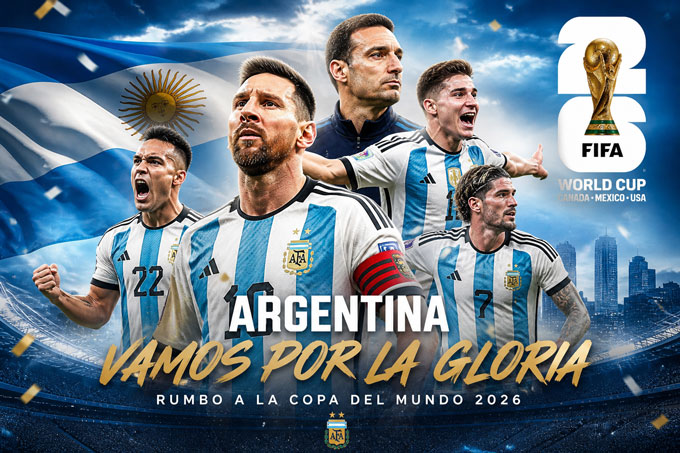
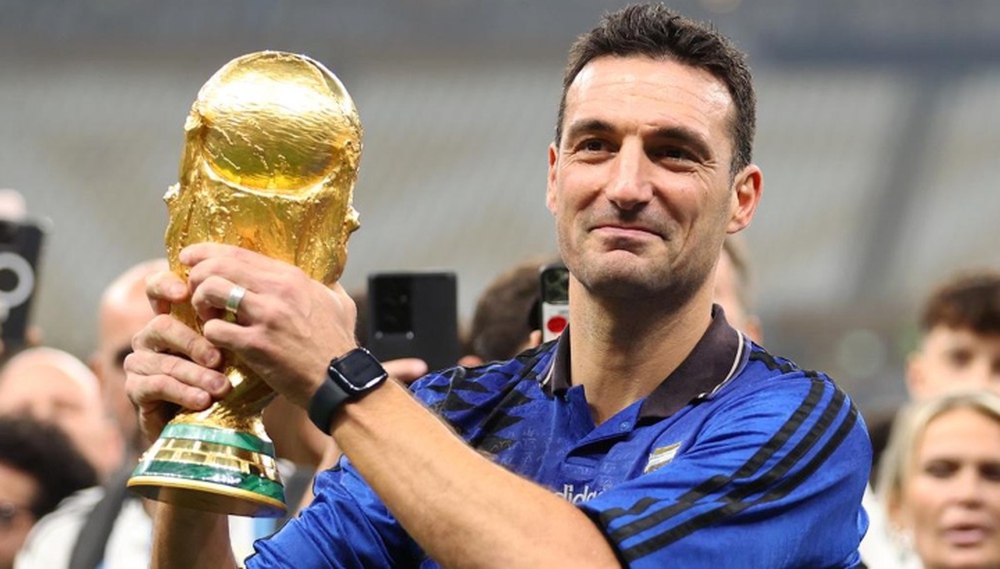
Argentina arrive at the 2026 FIFA World Cup carrying the weight of champions and the ambition of a dynasty. Four years after conquering the world in Qatar, Lionel Scaloni’s side now have the chance to become the first nation since Brazil in 1958 and 1962 to successfully defend the World Cup title.
Champions No Longer Defined by the Past
Argentina head into World Cup 2026 not simply as contenders, but as the reigning kings of world football.
Their triumph in Qatar in 2022 delivered a third World Cup title for “La Albiceleste,” adding another star above the crest and cementing one of the most emotional victories in football history. But unlike previous Argentine generations that often relied on nostalgia and individual brilliance, this team has evolved into something far more complete: a modern, balanced and relentlessly competitive machine.
The tournament in Canada, Mexico and the United States will mark Argentina’s 19th World Cup appearance. Yet this time, they arrive as the team everyone wants to dethrone.
Under Lionel Scaloni, Argentina are enjoying arguably the most stable and successful period in their modern history. After lifting the World Cup, they reinforced their dominance by successfully defending the Copa América title in 2024 — proof that their success was not built on emotion alone, but on a sustainable football structure.
Their authority continued throughout South American qualifying, where Argentina dominated the CONMEBOL campaign with remarkable consistency. Even a surprise defeat to Ecuador in the final round could not overshadow their supremacy, as Scaloni’s men finished top of the table with 38 points, nine clear of second place.
More importantly, Argentina no longer appear dependent on Lionel Messi in the way they once were.
Messi started only 10 of the 18 qualification matches and made two appearances from the bench. Yet Argentina continued to win even in his absence — a major psychological and tactical evolution for a national team that spent more than a decade searching for balance around its greatest player.
No one can truly replace Messi. But Argentina are finally learning how to survive without needing him to carry every moment.
Messi Still Remains the Heartbeat
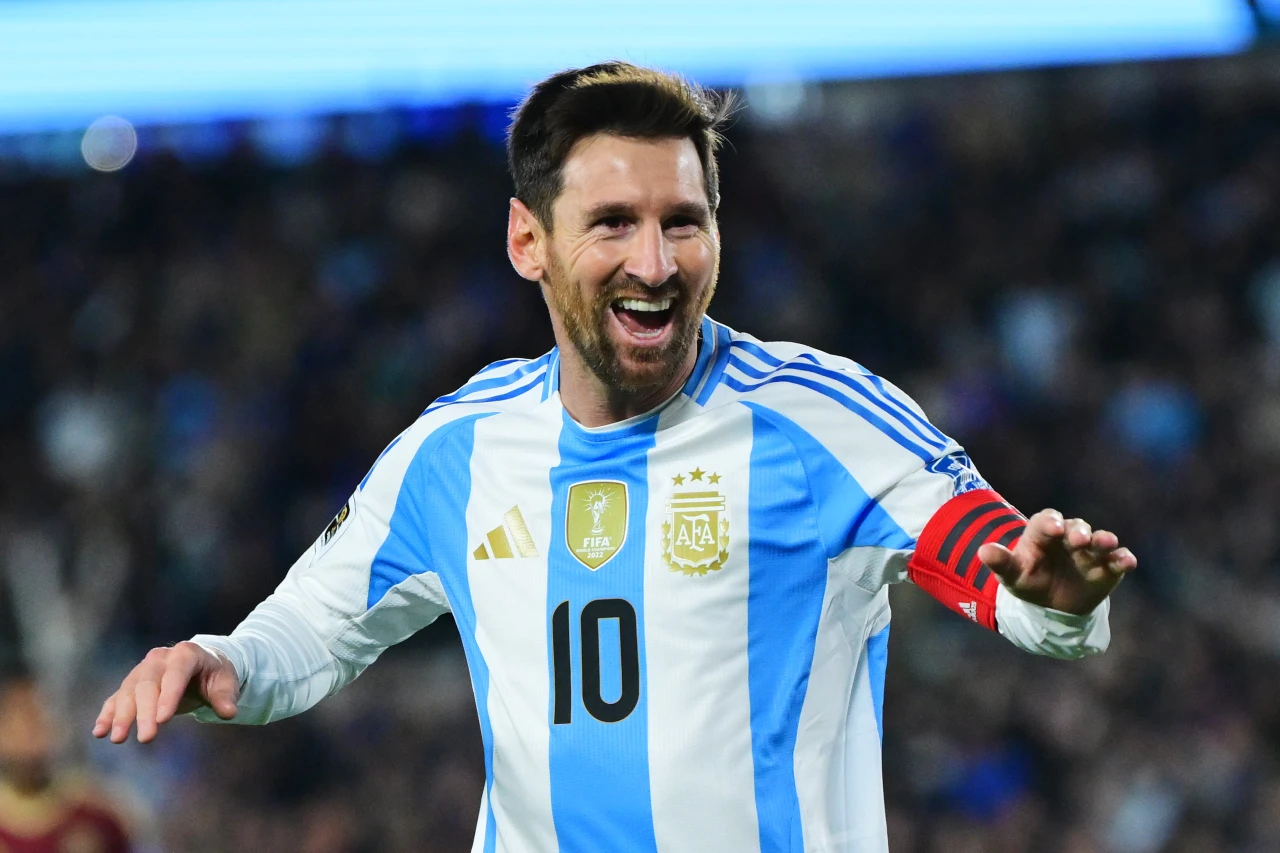
Even so, the center of Argentina’s football universe remains Lionel Messi.
At 38 years old, Messi enters what is expected to be his sixth World Cup with a different kind of freedom. Settled in Miami and no longer burdened by the relentless European calendar, he continues to influence matches with remarkable efficiency through goals, assists and leadership.
He is no longer required to dominate every minute physically. Instead, Messi has become something even more dangerous: a player capable of deciding matches through timing, intelligence and moments of pure clarity.
For Argentina, he remains both the emotional compass and the technical reference point.
But what makes this generation different is the support surrounding him.
A new wave of players has matured into elite-level performers. Rodrigo De Paul provides intensity and balance in midfield, Lautaro Martinez continues to evolve into a complete forward, while younger talents offer Scaloni tactical flexibility and energy across the pitch.
The blend of experience and youth now feels almost perfectly calibrated.
Scaloni’s Greatest Achievement: Building a Winning Culture
When Lionel Scaloni took over Argentina in August 2018, few expected him to become the architect of a golden era.
Initially appointed as a temporary solution after Jorge Sampaoli’s disastrous 2018 World Cup campaign, Scaloni quickly transformed the atmosphere around the national team.
He rebuilt the squad patiently, introducing players such as Giovani Lo Celso, Rodrigo De Paul and Lautaro Martinez before turning them into the foundation of a new cycle. At the same time, he shifted Argentina toward a more proactive style built around ball control, tactical discipline and collective intensity.
Most importantly, Scaloni restored belief.
That transformation culminated at Copa América 2021, where Argentina ended a nearly 30-year wait for a major trophy. From there, the momentum became unstoppable: Finalissima champions, World Cup winners in 2022, and Copa América champions once again.
Scaloni did not simply create a successful team.
He created a winning culture.
Can Argentina Build a New Dynasty?
The ambition surrounding Argentina at World Cup 2026 is historic.
Should they retain the trophy, they would become the first nation since Brazil in 1958 and 1962 to successfully defend a World Cup crown.
That possibility alone elevates this campaign beyond a normal title defense.
However, the path ahead will be significantly more complicated.
The expanded World Cup format introduces more teams, more unpredictability and greater physical demands over a longer tournament. Europe’s elite are desperate to reclaim control of international football, while South American rivals continue to improve.
Yet Argentina possess several advantages few nations can match.
Their tactical system has already been tested under pressure. Their squad depth is stronger than in previous generations. And perhaps most importantly, they know how to win difficult matches — a quality that often separates champions from entertainers.
This Argentina side no longer lives purely off historical prestige.
They are disciplined, emotionally resilient and tactically mature.
World Cup 2026 is therefore not just about defending a title. It is about establishing a modern football dynasty.
A World Cup History Built on Greatness
Argentina remain one of the most decorated nations in World Cup history.
They have won the tournament three times — in 1978, 1986 and 2022 — while also finishing runners-up on three occasions in 1930, 1990 and 2014.
Their identity has always been rooted in technical brilliance, emotional intensity and fierce competitiveness. Few teams carry the same aura on football’s biggest stage.
One remarkable statistic underlines their tournament mentality: Argentina have never lost a World Cup semi-final, winning all six appearances at that stage. Overall, they have won 47 of their 88 World Cup matches.
Those numbers reinforce a simple reality: when Argentina gain momentum at a World Cup, they are exceptionally difficult to stop.
Group Stage Schedule
- June 17, 2026 — Argentina vs Algeria
- June 23, 2026 — Argentina vs Austria
- June 28, 2026 — Jordan vs Argentina
Head-to-Head Record
- vs Algeria: 1 win, 0 draws, 0 losses
- vs Austria: 1 win, 1 draw, 1 loss
- vs Jordan: Never met
World Cup 2026 Outright Odds (bet365)
- 8/1 to win the tournament
Argentina arrive in North America with history behind them, momentum beside them and ambition driving them forward.
The question is no longer whether they belong among football’s elite.
The question is whether this generation can go even further — and place itself alongside the greatest dynasties the sport has ever seen.