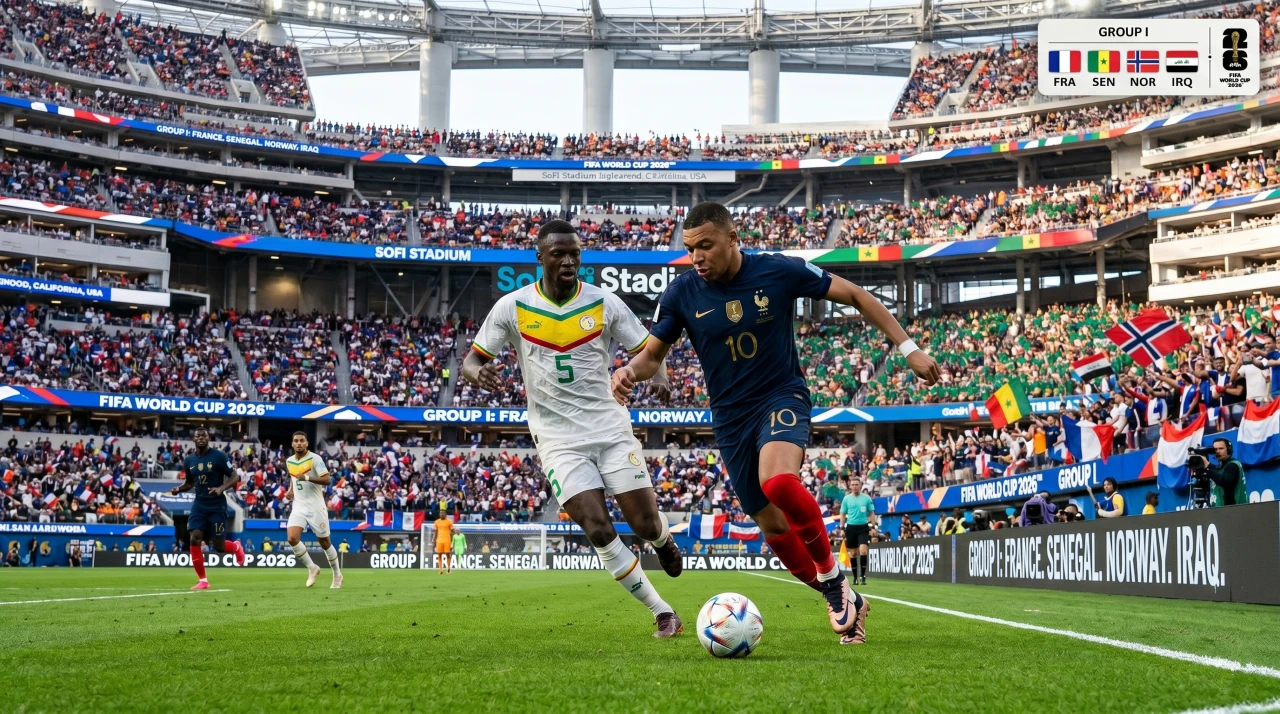
World Cup 2026
World Cup 2026 Group I Preview: Who Will Follow France Into the Round of 32?
France are the overwhelming favorites to top Group I at the 2026 FIFA World Cup, but the race for the second spot is wide open. TuringStats AI breaks down the chances of Senegal, Norway, and Iraq to claim the remaining advancement spot in one of the tournament's most intriguing groups.
The 2026 FIFA World Cup is just around the corner, and Group I is shaping up to be one of the most intriguing groups of the entire tournament. On paper, France stand head and shoulders above the rest — but behind Les Bleus, a fascinating three-way battle is brewing between Senegal, Norway, and Iraq for the second qualification spot. With North America set to host the grandest footballing spectacle on Earth, TuringStats takes a deep dive into each team's strengths, weaknesses, and realistic chances of advancing from this group.
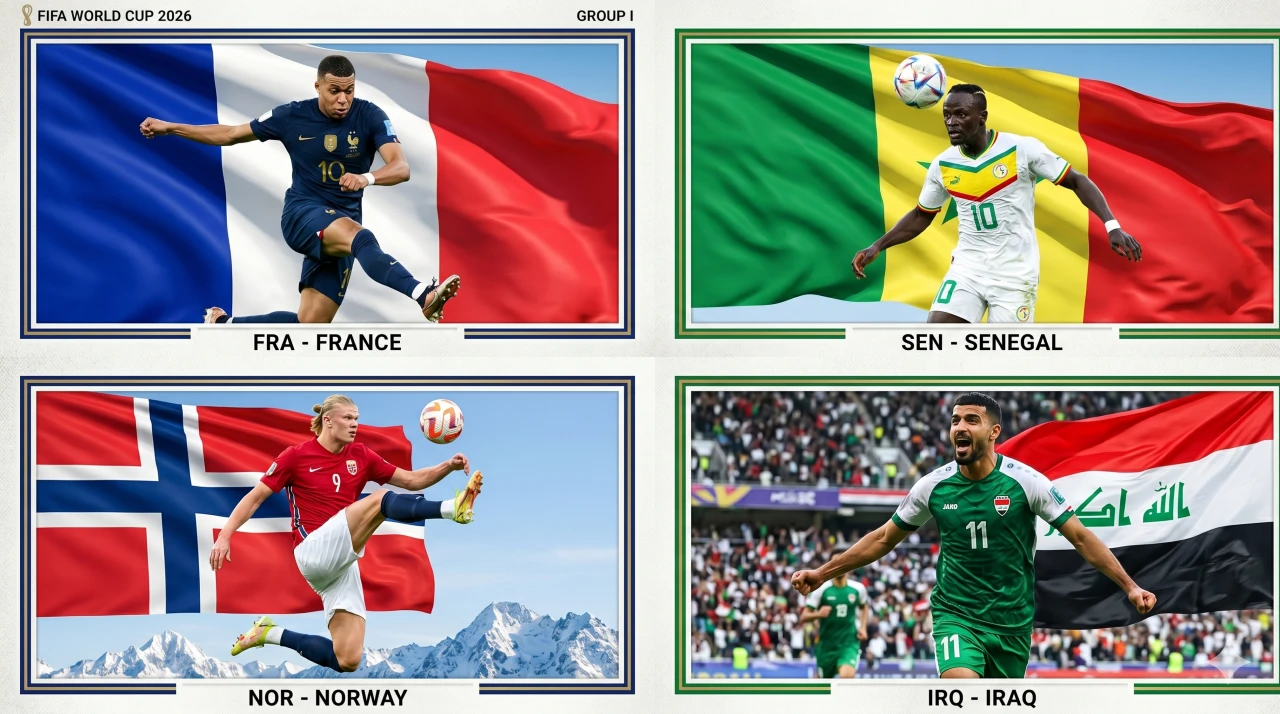
France: The Undisputed Favorites
When you glance at Group I, one thing becomes immediately clear: France are in a class of their own. Didier Deschamps' men arrive in North America on a mission of redemption — still haunted by the heartbreaking penalty shootout defeat to Argentina in the 2022 Qatar World Cup final, Les Bleus are hungry, motivated, and arguably more dangerous than ever.
France boast one of the most fearsome attacking trios in world football. Kylian Mbappé remains the crown jewel — a player capable of turning any match on its head within seconds. Surrounding him is a cast of elite-level talent that most national teams could only dream of fielding. With Antoine Griezmann's intelligence and creativity, Ousmane Dembélé's pace and dribbling, and the emerging brilliance of the next generation of French football, Les Bleus are arguably the most well-rounded squad in the tournament.
Defensively, France are equally formidable. Their backline, anchored by world-class players across every position, is among the tightest in international football. In goal, they possess reliable shot-stoppers who have proven their worth at the highest levels of European club football.
Deschamps, for all the criticism he has received over the years for occasionally playing it too safe, has undeniably built a winning machine. France have the quality to dominate Group I from start to finish. Barring a catastrophic collapse or a series of extraordinary upsets — which, in football, can never be entirely ruled out — France will top this group with relative comfort.
Verdict: Almost certain to advance. The question is not whether France qualify from the group stage, but how deep into the knockout rounds they will go.
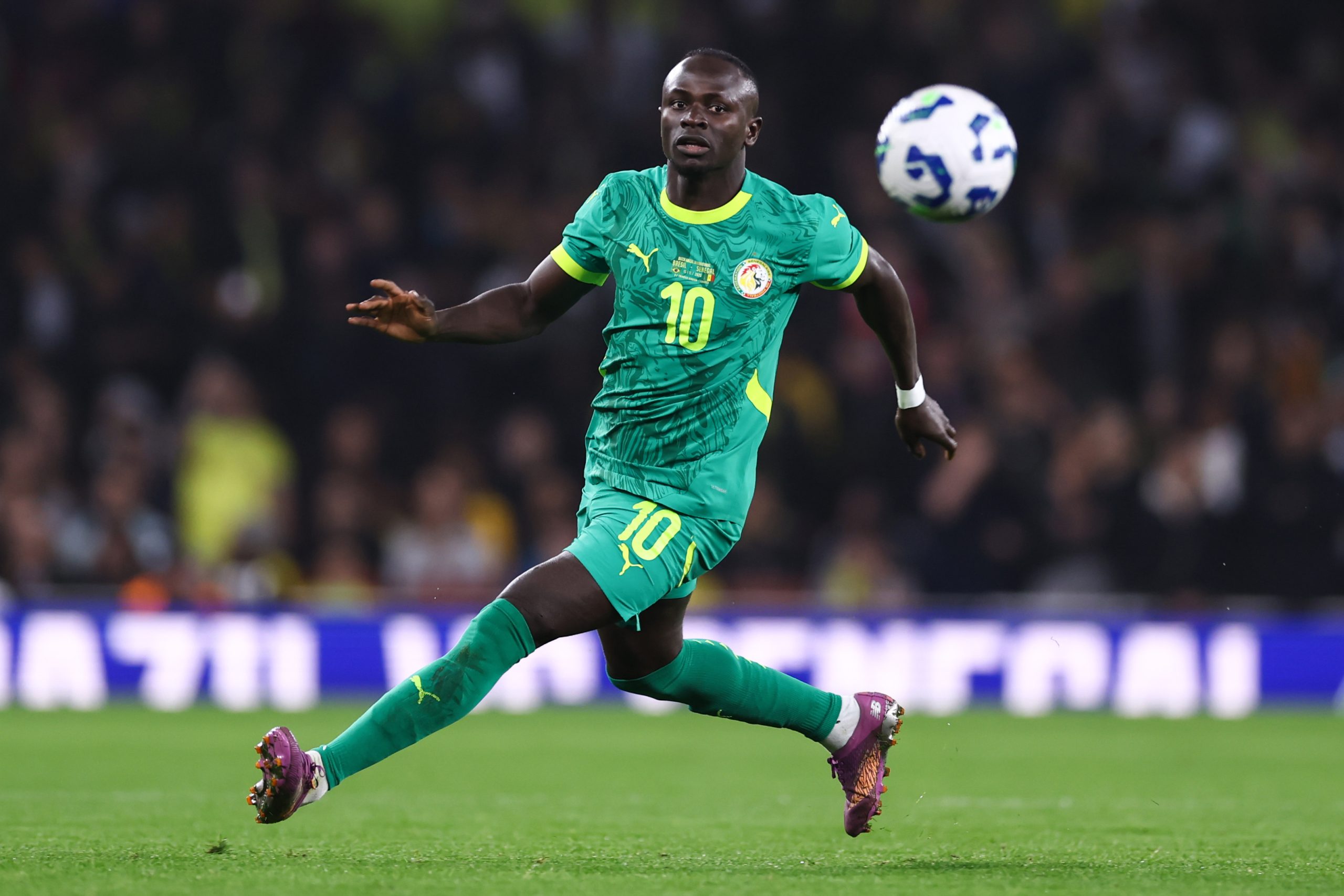
Senegal: The Lions of Teranga Are Hungry
Senegal's story heading into the 2026 World Cup is one of consistency, ambition, and growing belief. The Teranga Lions are completing a hat-trick of consecutive World Cup appearances, a remarkable achievement for a footballing nation that continues to grow in stature on the global stage.
Their journey to the 2026 World Cup was far from a fluke. Senegal qualified with purpose and authority, and they arrive in North America with one clear objective in mind: to recreate — and ideally surpass — their legendary run to the quarterfinals at the 2002 World Cup in South Korea and Japan, when they famously defeated France in their opening match and stunned the world.
The squad Aliou Cissé has at his disposal is laden with Premier League and European top-flight experience. Sadio Mané, despite the inevitable questions about his age and current form, remains a symbol of Senegalese football — a player who elevates those around him and carries the weight of a nation's expectations with grace. Idrissa Gana Gueye brings tenacity and dynamism to the midfield, ensuring Senegal are difficult to break down and equally dangerous on the counter-attack.
At the back, Kalidou Koulibaly's commanding presence offers stability and leadership. The Chelsea and Napoli legend has been the defensive cornerstone of Senegalese football for over a decade, and his experience at this level will be invaluable when the pressure mounts. Upfront, Nicolas Jackson — Chelsea's sharp-shooting striker — provides a modern, mobile attacking threat that can trouble even the best defenses in the world.
Senegal's ability to defend resolutely and hit teams on the break makes them particularly dangerous against opponents who overcommit in attack. While France will be a step too far in terms of the group's top spot, the second place berth is very much within Senegal's grasp — provided they deliver consistent performances and avoid any early slip-ups.
Verdict: Strong contenders for second place. Senegal's experience, squad depth, and tournament pedigree make them the most likely team to join France in the next round.
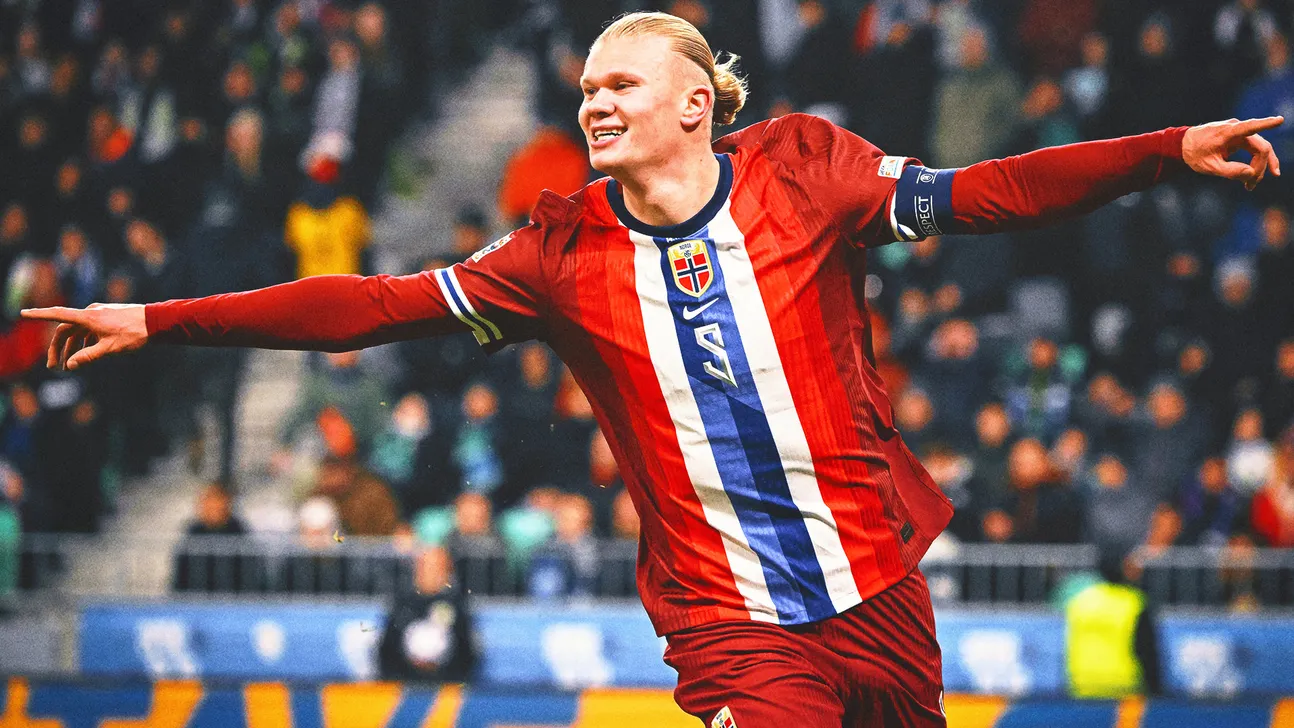
Norway: The Golden Generation Finally Gets Its Shot
Perhaps no story in Group I captures the imagination quite like Norway's. After nearly 30 years in the international footballing wilderness — their last World Cup appearance came in 1998 — the Norwegians have finally ended their agonizing wait. This is the generation that was supposed to bring Norway back to the biggest stage, and now that they're here, expectations are sky-high.
The reason for the excitement is simple: Erling Haaland. The Manchester City and Norway striker has become one of the most prolific goal-scorers in the history of the sport, smashing records at club level with terrifying regularity. His physicality, movement, finishing, and sheer force of will make him a constant nightmare for defenders. In a World Cup group stage setting, Haaland could be the difference between Norway's wildest dreams coming true or another chapter of heartbreak.
But Norway are more than just Haaland. Martin Ødegaard, the Arsenal captain, is among the most technically gifted midfielders in world football — a player who can control the tempo of a game, pick a killer pass, and contribute goals from midfield. His partnership with Haaland at international level has been one of the most exciting developments in European football over the past few years.
Add in Alexander Sørloth — a powerful, dynamic striker who has enjoyed remarkable success at club level in La Liga — and Norway suddenly have an attack that rivals some of the best in the tournament. Further back, the likes of Stefan Strandberg and Sander Berge provide a solid foundation that Ståle Solbakken can build around.
However, there is a significant caveat: Norway's inexperience at major international tournaments cannot be ignored. Players who routinely shine for their clubs can sometimes struggle to translate that form onto the World Cup stage, where the tactical and psychological demands are entirely different. Norway have not been tested in knockout tournament football for decades, and that lack of experience could prove costly in tight, high-pressure situations.
The group stage, in particular, requires mental fortitude and tactical discipline over a sustained period. Norway will need to peak early and maintain that level across three matches — something far easier said than done for a team making their first World Cup appearance in nearly three decades.
Verdict: Dark horses. Norway have the individual quality to reach the knockout rounds, but their lack of tournament experience introduces a significant element of uncertainty. They will push Senegal hard for second place, but fall short in a close contest.
Iraq: The Lions of Mesopotamia — A Miracle in the Making?
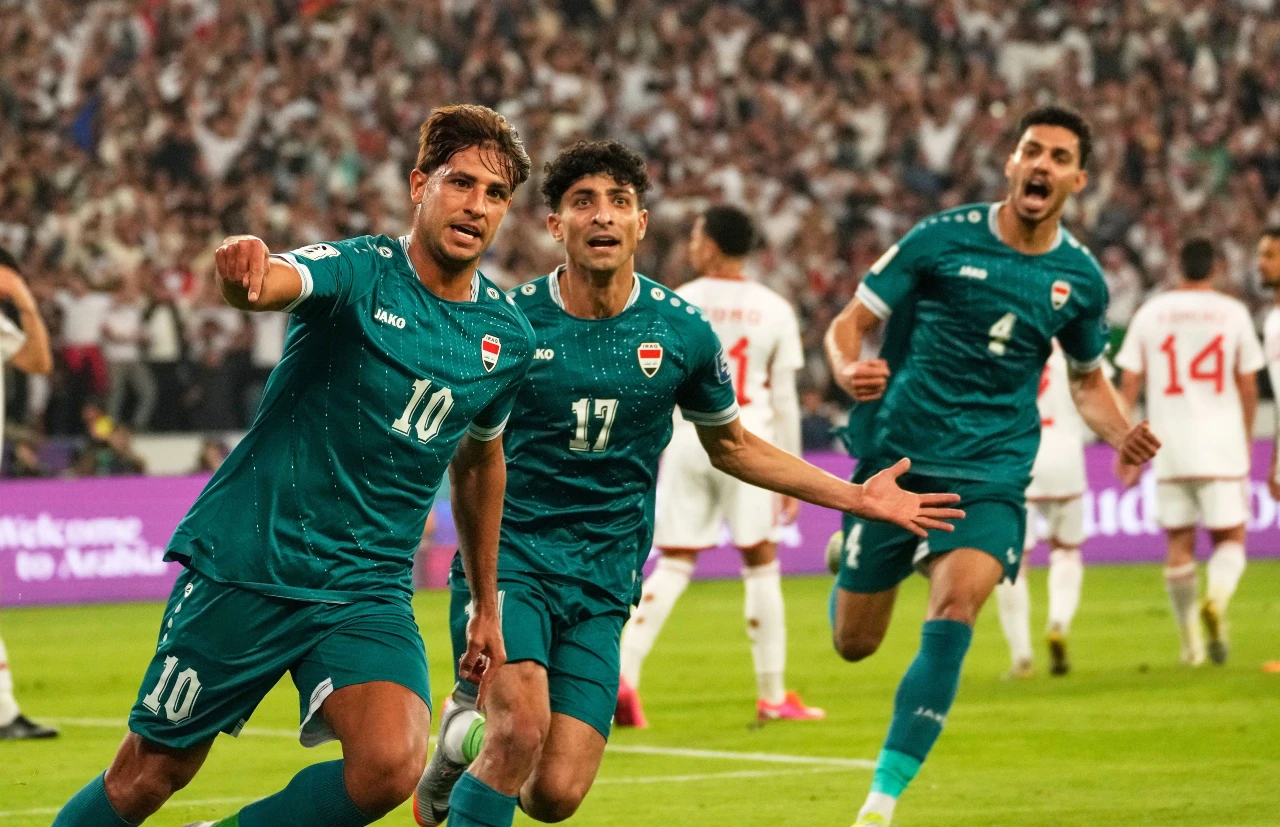
Of the four teams in Group I, Iraq enter the tournament as the heaviest underdogs by a considerable margin. This is only the second time in their history that Iraq have qualified for a World Cup — their previous appearance came all the way back in 1986 — and just making it to North America represents a monumental achievement for Iraqi football.
The reality of the situation is stark. Iraq's players ply their trade predominantly in the Asian leagues, without the top-level European club experience that characterizes their group-stage opponents. The gap in quality between Iraq and France, in particular, is vast. Even against Senegal and Norway, Iraq will be significant underdogs in virtually every statistical and analytical measure.
That said, football has a glorious tradition of upsetting the odds. Major World Cup tournaments have repeatedly produced shocking results — Japan defeating Spain and Germany in 2022 being a recent example — and Iraq's players will be motivated by their nation's expectations and the weight of historical significance.
For Iraq to advance from this group, they would need to produce performances operating at or beyond their absolute maximum potential, while simultaneously relying on other results going their way. Even then, it would require a series of football miracles to overcome the quality arrayed against them.
Iraq will draw energy from the passion of their supporters and the pride of representing their nation on the world stage. But passion alone is rarely enough at a World Cup, and the cold reality of the quality differential in Group I makes Iraq's chances of advancement extremely slim.
Verdict: Likely to exit in the group stage. Iraq's fairytale appearance at the World Cup is a wonderful story, but the quality gap between them and the other three teams is simply too large to bridge over three matches.
TuringStats AI Prediction: Final Group I Standings
Here at TuringStats, our advanced AI model has analyzed extensive datasets across international match history, squad quality, tactical systems, current form, player fitness, head-to-head records, and tournament performance trends to produce our Group I projections for the 2026 FIFA World Cup.
Our AI model projects the following final standings for Group I:
1st Place — France
Probability of advancement: 97%
This is as close to a certainty as football ever offers. France's squad depth, individual quality, tactical flexibility, and tournament experience make them virtually guaranteed to top Group I. The only scenario in which France fail to advance would involve a catastrophic combination of injuries, suspensions, and a spectacular collapse in form — an outcome our model assigns a probability of less than 3%. Expect France to win all three group matches and enter the knockout rounds with momentum and confidence.
2nd Place — Senegal
Probability of advancement: 68%
Our AI model identifies Senegal as the most likely team to claim second place. Their blend of Premier League experience, defensive solidity, and dangerous counter-attacking play makes them better equipped for the pressures of tournament football than either Norway or Iraq. Sadio Mané's leadership, Koulibaly's defensive expertise, and Jackson's attacking threat create a team that is genuinely difficult to beat over 90 minutes. Senegal's previous World Cup experience — including their historic 2002 run — is also factored in as a significant psychological and tactical advantage.
3rd Place — Norway
Probability of advancement: 29%
Norway's raw talent — headlined by Haaland and Ødegaard — gives them an outside shot at advancement, but our model's tournament inexperience penalty significantly reduces their projected probability. The Norwegians are most likely to finish third, potentially pushing Senegal hard for second place in a direct head-to-head decider, but ultimately falling short. If Haaland performs at his devastating best and Norway can absorb pressure defensively, an upset of Senegal is possible — but not probable.
4th Place — Iraq
Probability of advancement: 6%
Our AI model projects Iraq to finish last in Group I. While the model acknowledges Iraq's passionate and organized defensive structure, the sheer quality differential between Iraq and their opponents — particularly France and Senegal — makes advancement almost mathematically implausible without a series of extraordinary results. Iraq's advancement probability of 6% reflects the unpredictable nature of football rather than any genuine expectation of qualification.
According to our TuringStats AI model, the defining match of Group I will be the direct clash between Senegal and Norway. This game is highly likely to determine who claims second place in the group — and it promises to be a fascinating tactical battle between Senegal's disciplined, experienced side and Norway's explosive, talent-driven attack.
Mané vs. Haaland. Koulibaly vs. Norway's attacking line. Ødegaard trying to unlock a Senegalese defense that rarely concedes. This match has all the hallmarks of a classic World Cup group stage encounter — and could well be one of the standout games of the entire tournament's opening round.
Our model gives Senegal a 52% probability of winning this fixture, with Norway at 30% and a draw at 18%. A Senegalese victory would almost certainly seal their advancement to the Round of 32.
Conclusion: France Lead the Way, Senegal to Follow
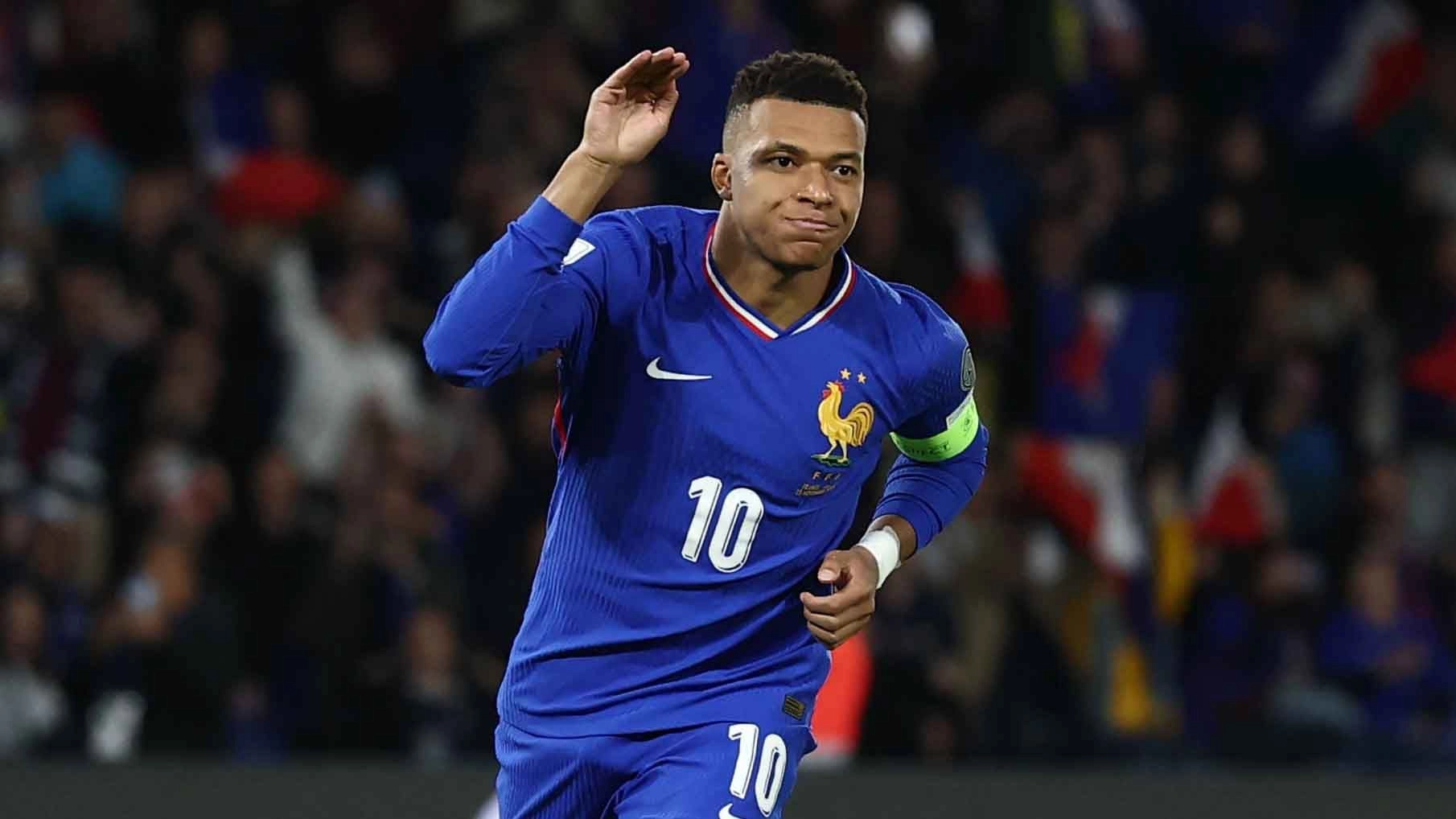
Group I of the 2026 FIFA World Cup offers a compelling mix of footballing royalty, rising powers, romantic underdogs, and raw, generational talent. France's coronation as group winners appears almost inevitable — they are simply in a different class from their group-stage opponents.
The battle for second place, however, is where the real drama lies. TuringStats AI backs Senegal to edge out Norway for the crucial second spot, with the Teranga Lions' experience, squad quality, and tactical discipline giving them the edge over Norway's talented but untested squad.
Iraq's participation is a wonderful story — a tribute to the growth and passion of football across the Middle East and Asia — but the cold logic of the numbers suggests their journey will end at the group stage.
As the 2026 World Cup prepares to kick off across the stadiums of the United States, Canada, and Mexico, Group I promises entertainment, drama, and potentially one or two surprises along the way. Stay tuned to TuringStats for the latest AI-powered analysis, live match predictions, and in-depth coverage of every group in the tournament.
The beautiful game is coming to North America. And in Group I, the action is just getting started.
---
Follow TuringStats for real-time AI-powered World Cup 2026 predictions, match previews, and statistical analysis throughout the tournament.